
Dubai Metro & Nol Card Guide for Pakistani Tourists
Why the Dubai Metro Is a Tourist’s Best Friend
Dubai’s metro is clean, air-conditioned, safe, and — for a visitor from Pakistan — surprisingly easy to use. It runs driverless trains on two lines, it reaches the airport, the malls, the Marina and old Dubai, and a single journey costs a fraction of a taxi fare. For a family trip, the saving over a week of taxis is real money.
There is one thing to understand first: the metro does not go everywhere. Some of Dubai’s most famous attractions sit well beyond the tracks, and knowing that before you arrive saves you a lot of confusion. This guide covers the lines, the stations tourists actually use, the Nol card system, the fares as currently reported, the rules that matter, and what to do when the metro cannot take you where you want to go.
The Two Lines, in Plain Terms
The Red Line is the one most tourists live on. It runs from Centrepoint (near the airport) in the east, through Deira, Burj Khalifa/Dubai Mall, Business Bay, the Mall of the Emirates, Dubai Marina and out to the Expo area in the south-west. If your hotel is anywhere near Sheikh Zayed Road, the Red Line is your line.
The Green Line serves old Dubai and the Creek area. It runs through Deira, Al Fahidi, Bur Dubai and the Gold Souk area, and it connects with the Red Line at two interchange stations: Union and BurJuman. For a day in old Dubai — souks, abra boats, historic houses — the Green Line is the easy way in.
Trains run frequently, roughly every few minutes at peak times, and stations are clearly signed in English and Arabic. Every station has lifts and escalators, which matters if you are travelling with a stroller, elderly parents, or heavy luggage.
The Stations Tourists Actually Use
- Airport Terminal 1 and Terminal 3 (Red Line) — direct metro access from the airport. If you land at Terminal 2, note that it has no metro station; you will need a taxi or bus to the nearest Red Line station.
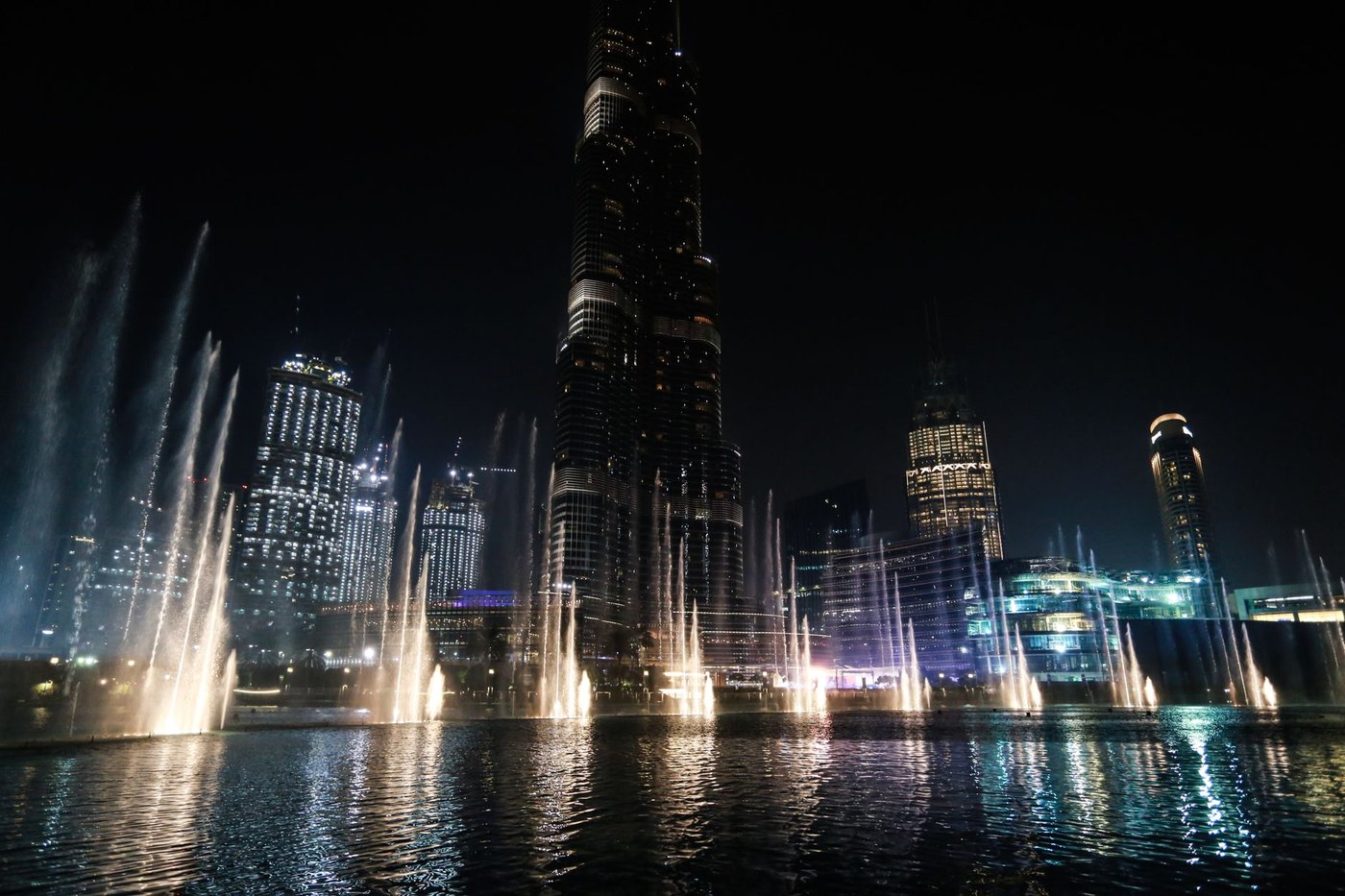
- Burj Khalifa/Dubai Mall (Red Line) — for the Burj Khalifa, Dubai Mall, the fountain show and Downtown.
- Mall of the Emirates (Red Line) — for the mall and Ski Dubai.
- DMCC and Sobha Realty (Red Line) — the two main stations for Dubai Marina and JBR beach.
- Al Fahidi and Al Ghubaiba (Green Line) — for old Dubai, the Creek and the souks.
- Gold Souk and Al Ras (Green Line) — for Deira’s famous gold and spice markets.
Tip for families: choose a hotel near a metro station if you can. A ten-minute walk to the station in Dubai’s heat feels very different from a two-minute walk, especially with children.
Nol Cards: Which One Should a Tourist Buy?
You cannot pay cash on the metro. You need a Nol card, Dubai’s rechargeable travel card, which also works on buses, trams and water buses. There are a few types, and the choice matters.
The Red Ticket is a paper ticket, best for very short stays or a single journey. It can be loaded with individual trips or a day pass. Travel guides widely report a 1-day pass at AED 20 for regular class and AED 40 for Gold class, but treat these as current-guide reports and confirm at the station, since prices and pass options are revised from time to time.
The Silver card is the standard rechargeable card and the best choice for most tourists staying several days. Guides widely report it costs AED 25 including some starting credit, with the rest usable for travel. You top it up at station machines or ticket offices whenever the balance runs low, and you can hand it back or keep it as a souvenir.
The Gold card is the same idea but for Gold Class cabins — the metro’s quieter, comfier front carriages with better views. It costs more per journey, and it is a nice treat for a couple, but for a family the standard class is perfectly comfortable and much cheaper overall.
There is also a Blue card, but that is a personalised card for residents, so tourists can ignore it. One card per person: every traveller, including children over a certain age, needs their own card, because you tap in and out individually.
Fares: What Guides Currently Report
Dubai’s metro fares are zone-based: the city is divided into zones, and your fare depends on how many zones you cross. Current travel guides widely report single-journey fares of AED 3 for one zone, AED 5 for two zones, and AED 7.50 for three or more zones in standard class, with Gold Class roughly double. We flag these as guide reports, not official figures, because guides conflict on details such as daily caps and pass inclusions, and the RTA revises fares periodically. Before you travel, confirm the current fare on the official RTA website or at any metro station ticket office.
The practical upshot does not change: even at the top reported fare, a metro journey across the city costs less than a short taxi ride. For a family of four doing two or three journeys a day, the weekly saving compared with taxis can run into hundreds of dirhams.
Rules That Matter: Cabins, Tapping and Luggage
Tap in and tap out. Touch your Nol card on the gate reader when you enter and again when you leave. Forgetting to tap out can mean being charged the maximum fare, and inspectors do check cards on trains. Keep the card handy, not buried in a bag.
Women and children cabins. Each train has a dedicated women and children cabin, usually clearly marked. Men travelling alone should use the other cabins; families travelling together can use either, but the dedicated cabin is there for comfort and is respected by regular riders.
Gold Class. Gold cabins are at the front of the train. Riding in Gold Class with a standard card can earn you a fine, so only sit there if you hold a Gold card or Gold day pass.
Luggage. Suitcases are allowed, but very large or multiple heavy bags are awkward in rush hour and can draw attention from staff. If you are heading to the airport with big bags, travel outside peak hours or take a taxi for that one journey.
Food, drink and behaviour. Eating and drinking are not allowed on trains or in stations, and fines are enforced. Keep the journey quiet, give up seats to elderly passengers, and stand on the right of escalators so others can pass.
What the Metro Does NOT Reach (and What to Use Instead)
This is the part that surprises first-time visitors. The metro does not reach the Palm Jumeirah, Global Village, Dubai Parks, or the desert. Here is what to use instead:
- Palm Jumeirah: take the metro to Dubai Marina, then the Palm Monorail from Nakheel station, or a taxi onto the Palm.
- Global Village: buses run from Mall of the Emirates and other hubs, or take a taxi — it is a seasonal attraction, so check opening dates before you go.
- Desert safari: safaris start with a hotel pickup in a 4×4, not a metro ride. Your tour operator collects you; you do not travel to the desert yourself.
- Abu Dhabi day trips: intercity buses leave from Ibn Battuta or Al Ghubaiba bus stations, both reachable by metro.
The honest summary: use the metro for the spine of the city — airport, Downtown, Marina, old Dubai — and use tours, buses and taxis for everything beyond it. That combination is how most experienced visitors get around.
Packages That Help With This
For everything the metro cannot reach, our holiday packages bundle transport, tickets and a planned route — what you get is a full day out to the Palm, Global Village, Abu Dhabi or beyond without working out buses and taxis yourself.
And for the desert, our desert safari tours include hotel pickup in a 4×4 — what you get is dune driving, a camel ride, sandboarding and a camp dinner, with transport handled from your hotel door. If you are also sorting your visa, our visit visa options cover 30-day, 60-day and express visas for Pakistani travellers.
Metro Tips for Pakistani Families
Buy one Nol card per person at the airport station on arrival, and top up enough for the first two days so nobody is queuing at machines with tired children. Download the RTA’s official journey planner or a metro map before you land, and screenshot it — station wifi is not always reliable.
Travel outside rush hour when you can: weekday mornings and evenings are busy with commuters, while mid-mornings and late evenings are relaxed. And keep a taxi app on your phone as backup. The metro is brilliant for the city spine, but Dubai is a city where a taxi for one awkward journey is often the smartest money you spend all day.
Getting Around Dubai Without the Stress
Learn the two lines, buy a Silver card each, tap in and out, and use tours for the places the tracks do not reach. That is the whole system, and it will save your family real money and a lot of hassle.
If you want the transport, tickets and itinerary handled for you, message us on WhatsApp at +971 50 235 1314 and tell us your hotel and travel dates — we will suggest the package that fits your trip.
Experience the Magic of Arabian Desert Safari
Embark on an unforgettable journey through the golden dunes of the Arabian Desert. From thrilling dune bashing to mesmerizing sunset views and traditional Bedouin experiences, create memories that will last a lifetime.

Recent Posts
LEGOLAND Dubai Guide: Tickets, Timings & Tips (2026)
Dubai Garden Glow Guide: Tickets, Timings & Tips (2026)

Dubai Butterfly Garden Guide: Tickets, Timings & Tips (2026)
All Categories
- Azerbaijan Tours
- Business & Work Opportunities in Dubai
- Camping
- City Tours
- Desert Safari
- Dubai Adventure & Luxury Experiences
- Dubai Shopping & Entertainment
- Dubai Tourist Attractions & Activities
- Dubai Travel Guides
- Dubai Visit Visa & Travel Tips
- Evening Desert Safari
- Festivals & Events in Dubai
- Thailand Visa
- Travel Guide
- UAE Travel Beyond Dubai
- Uncategorized
- Visa